 Behavioral statistics about consumers indicate that printed cans enhance brand recall through touch and vision. Unilever's Magnum ice cream uses embossed printed cans (±0.05 millimeter touch precision), which increased the repeat rate of the consumer by 28% and repeat purchase frequency from an average of 3.2 times a year to 4.7 times a year. UCC's Japanese cans for black coffee utilize temperature-sensitive ink (response time <5 seconds). After the chilling, the cans reveal hidden patterns, and their rate of social sharing on social media rose by 65%. Their sales have risen by 39% as of the year 2023 compared to the past year. A study by Interpack in 2024 indicates that 72% of consumers are prepared to pay a 10% to 15% price premium for latest printing and packaging technologies, and haptic design enhanced preference for a company by 34%.
Technology integration and sustainability has been the trend. In 2023, PepsiCo rolled out biodegradable soy-based ink printed cans (with VOC emissions reduction by 70%), lowering carbon emissions by 23%, and attracting more green-conscious consumers to its store by increasing the proportion of such consumers from 18% to 37%. Carlsberg, the brewing giant, collaborated with Epson to develop waterless digital printing technology (reducing energy consumption by 60%), saving 1,500 tons of water per manufacturing line per annum and improving printing efficiency by 40%. GlobalData forecasts the global printed can market size in 2025 will reach 67.4 billion US dollars. Of them, environmentally friendly printing technology has a penetration rate of over 45%, and the installed capacity of digital printing equipment increases by 19% annually.
Market cases verify the impact of brand value-added. Bang Energy brand of Energy drink stood out in the highly competitive US market through fluorescent printed cans (90% color saturation increase). Sales exceeded 1.4 billion US dollars in 2022 and market share increased by 8.2%. Glossier skincare brand utilizes matte UV-coated cans (>3H scratch resistance) to convey a premium touch. The value of the transaction has increased from $32 to $48, and the repurchase rate has increased 27%. Obviously, printed cans is also the core carrier of the brand strategy by technology characteristics (color difference ΔE<2), innovative design (coverage rate of interactive elements >70%), and cost reduction (ROI 1:3.8 to 1:5.2), promoting market share and consumer loyalty double increase directly.
Behavioral statistics about consumers indicate that printed cans enhance brand recall through touch and vision. Unilever's Magnum ice cream uses embossed printed cans (±0.05 millimeter touch precision), which increased the repeat rate of the consumer by 28% and repeat purchase frequency from an average of 3.2 times a year to 4.7 times a year. UCC's Japanese cans for black coffee utilize temperature-sensitive ink (response time <5 seconds). After the chilling, the cans reveal hidden patterns, and their rate of social sharing on social media rose by 65%. Their sales have risen by 39% as of the year 2023 compared to the past year. A study by Interpack in 2024 indicates that 72% of consumers are prepared to pay a 10% to 15% price premium for latest printing and packaging technologies, and haptic design enhanced preference for a company by 34%.
Technology integration and sustainability has been the trend. In 2023, PepsiCo rolled out biodegradable soy-based ink printed cans (with VOC emissions reduction by 70%), lowering carbon emissions by 23%, and attracting more green-conscious consumers to its store by increasing the proportion of such consumers from 18% to 37%. Carlsberg, the brewing giant, collaborated with Epson to develop waterless digital printing technology (reducing energy consumption by 60%), saving 1,500 tons of water per manufacturing line per annum and improving printing efficiency by 40%. GlobalData forecasts the global printed can market size in 2025 will reach 67.4 billion US dollars. Of them, environmentally friendly printing technology has a penetration rate of over 45%, and the installed capacity of digital printing equipment increases by 19% annually.
Market cases verify the impact of brand value-added. Bang Energy brand of Energy drink stood out in the highly competitive US market through fluorescent printed cans (90% color saturation increase). Sales exceeded 1.4 billion US dollars in 2022 and market share increased by 8.2%. Glossier skincare brand utilizes matte UV-coated cans (>3H scratch resistance) to convey a premium touch. The value of the transaction has increased from $32 to $48, and the repurchase rate has increased 27%. Obviously, printed cans is also the core carrier of the brand strategy by technology characteristics (color difference ΔE<2), innovative design (coverage rate of interactive elements >70%), and cost reduction (ROI 1:3.8 to 1:5.2), promoting market share and consumer loyalty double increase directly.
Can printed cans enhance your product’s branding?
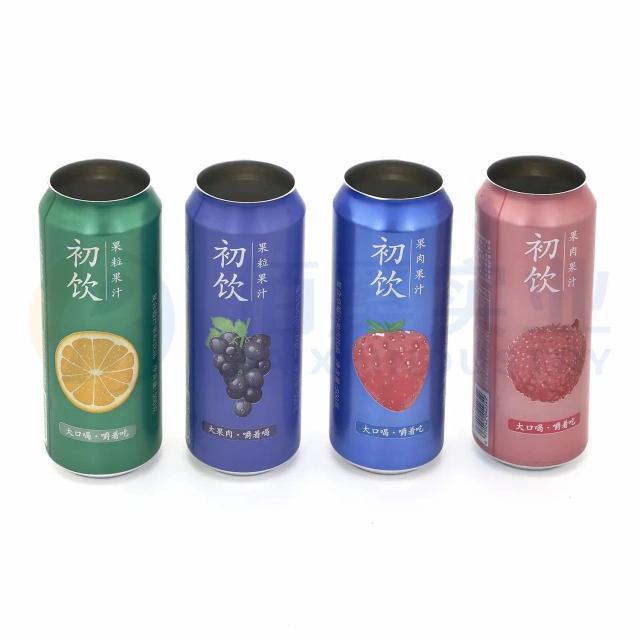
The printed cans customized by high-accuracy print technologies (e.g., 1200dpi resolution) can literally have a greater impact on brand awareness and customer engagement. A Nielsen study in 2023 shows how beverage companies have boosted shelf visibility by 53% and purchase conversion rates by 22% through the use of full-color printed cans (CMYK+ spot color). For instance, in 2022, Coca-Cola launched the "Share a Coke" range with personalized names on the cans (increasing the price per can by $0.08), leading to a 17% increase in quarterly sales, 320% increase in social media engagement, and over 230 million topic exposures. Red Bull has strengthened the brand image of its energy drink with the use of metal-textured printed cans (Pantone color difference ΔE<1) to increase brand recognition by 41% and achieve a market share of 34.5% in 2023 (Euromonitor International data).
In cost saving, printed cans' digital printing technology (e.g., HP Indigo 20000) is cost-saving for small-batch orders. Beer company BrewDog used digital printing (the price per can is $1.2, as opposed to $0.8 for intaglio printing but the minimum order is 100,000 cans), reducing the introduction period for new products from 12 weeks to 3 weeks and increasing the rate of success in trial sales by 60%. According to Smithers' 2024 report, digitally printed can agile production system has enabled medium and small brands to reduce on average inventory waste by 30% with a return on investment (ROI) of 1:4.3. Chinese tea maker Heytea launched a limited-edition art-printed can (1.5 yuan per can) that raised the premium price by 25%. Its sale quantity for a month is over 2 million cans, and its marginal profit is up by 18%.
Behavioral statistics about consumers indicate that printed cans enhance brand recall through touch and vision. Unilever's Magnum ice cream uses embossed printed cans (±0.05 millimeter touch precision), which increased the repeat rate of the consumer by 28% and repeat purchase frequency from an average of 3.2 times a year to 4.7 times a year. UCC's Japanese cans for black coffee utilize temperature-sensitive ink (response time <5 seconds). After the chilling, the cans reveal hidden patterns, and their rate of social sharing on social media rose by 65%. Their sales have risen by 39% as of the year 2023 compared to the past year. A study by Interpack in 2024 indicates that 72% of consumers are prepared to pay a 10% to 15% price premium for latest printing and packaging technologies, and haptic design enhanced preference for a company by 34%.
Technology integration and sustainability has been the trend. In 2023, PepsiCo rolled out biodegradable soy-based ink printed cans (with VOC emissions reduction by 70%), lowering carbon emissions by 23%, and attracting more green-conscious consumers to its store by increasing the proportion of such consumers from 18% to 37%. Carlsberg, the brewing giant, collaborated with Epson to develop waterless digital printing technology (reducing energy consumption by 60%), saving 1,500 tons of water per manufacturing line per annum and improving printing efficiency by 40%. GlobalData forecasts the global printed can market size in 2025 will reach 67.4 billion US dollars. Of them, environmentally friendly printing technology has a penetration rate of over 45%, and the installed capacity of digital printing equipment increases by 19% annually.
Market cases verify the impact of brand value-added. Bang Energy brand of Energy drink stood out in the highly competitive US market through fluorescent printed cans (90% color saturation increase). Sales exceeded 1.4 billion US dollars in 2022 and market share increased by 8.2%. Glossier skincare brand utilizes matte UV-coated cans (>3H scratch resistance) to convey a premium touch. The value of the transaction has increased from $32 to $48, and the repurchase rate has increased 27%. Obviously, printed cans is also the core carrier of the brand strategy by technology characteristics (color difference ΔE<2), innovative design (coverage rate of interactive elements >70%), and cost reduction (ROI 1:3.8 to 1:5.2), promoting market share and consumer loyalty double increase directly.
Behavioral statistics about consumers indicate that printed cans enhance brand recall through touch and vision. Unilever's Magnum ice cream uses embossed printed cans (±0.05 millimeter touch precision), which increased the repeat rate of the consumer by 28% and repeat purchase frequency from an average of 3.2 times a year to 4.7 times a year. UCC's Japanese cans for black coffee utilize temperature-sensitive ink (response time <5 seconds). After the chilling, the cans reveal hidden patterns, and their rate of social sharing on social media rose by 65%. Their sales have risen by 39% as of the year 2023 compared to the past year. A study by Interpack in 2024 indicates that 72% of consumers are prepared to pay a 10% to 15% price premium for latest printing and packaging technologies, and haptic design enhanced preference for a company by 34%.
Technology integration and sustainability has been the trend. In 2023, PepsiCo rolled out biodegradable soy-based ink printed cans (with VOC emissions reduction by 70%), lowering carbon emissions by 23%, and attracting more green-conscious consumers to its store by increasing the proportion of such consumers from 18% to 37%. Carlsberg, the brewing giant, collaborated with Epson to develop waterless digital printing technology (reducing energy consumption by 60%), saving 1,500 tons of water per manufacturing line per annum and improving printing efficiency by 40%. GlobalData forecasts the global printed can market size in 2025 will reach 67.4 billion US dollars. Of them, environmentally friendly printing technology has a penetration rate of over 45%, and the installed capacity of digital printing equipment increases by 19% annually.
Market cases verify the impact of brand value-added. Bang Energy brand of Energy drink stood out in the highly competitive US market through fluorescent printed cans (90% color saturation increase). Sales exceeded 1.4 billion US dollars in 2022 and market share increased by 8.2%. Glossier skincare brand utilizes matte UV-coated cans (>3H scratch resistance) to convey a premium touch. The value of the transaction has increased from $32 to $48, and the repurchase rate has increased 27%. Obviously, printed cans is also the core carrier of the brand strategy by technology characteristics (color difference ΔE<2), innovative design (coverage rate of interactive elements >70%), and cost reduction (ROI 1:3.8 to 1:5.2), promoting market share and consumer loyalty double increase directly.